
International Perspectives – Navigating consumption in digital childhoods
By Ylva Ågren
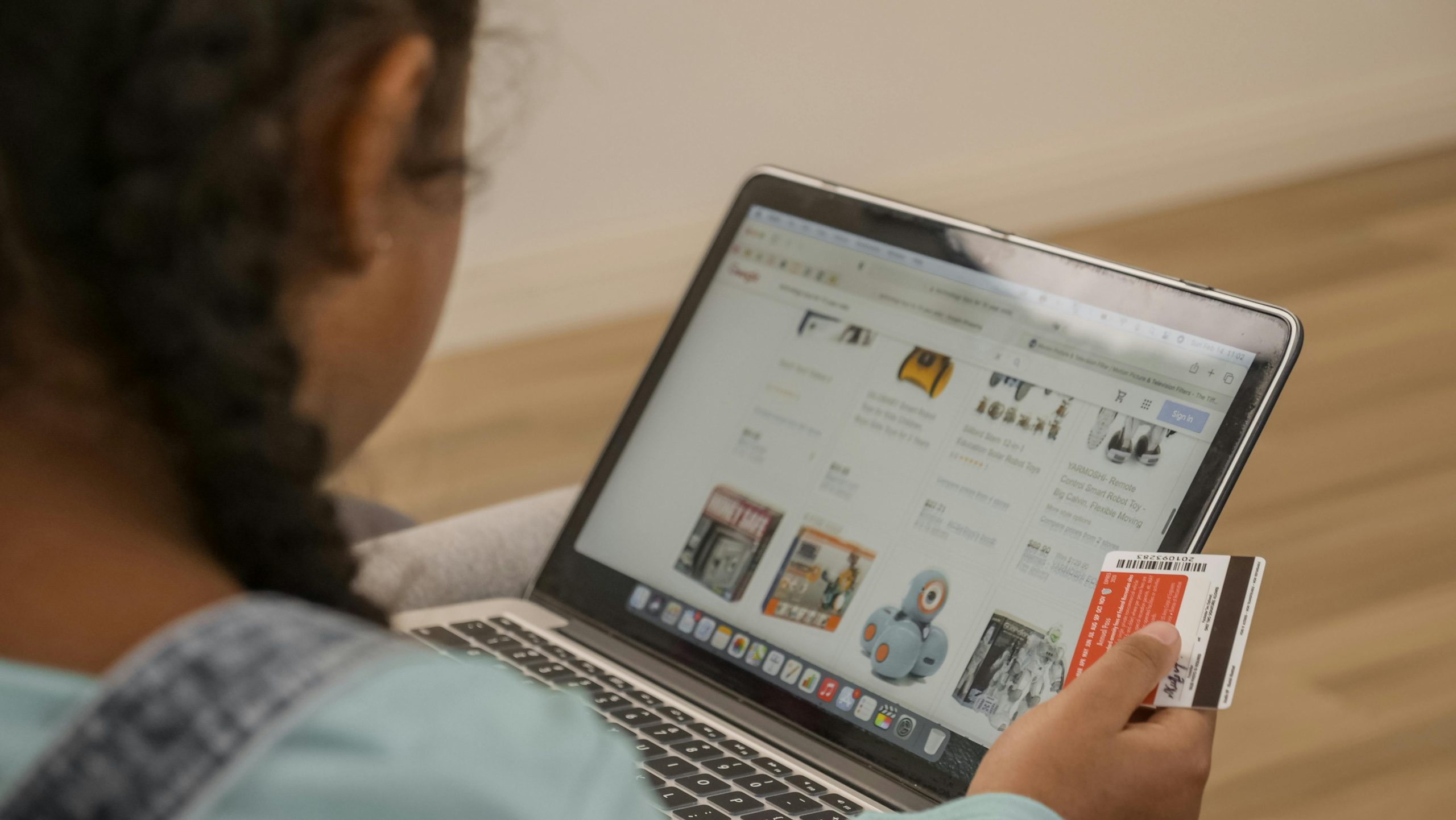
Did you earn money as a child? In Sweden, many of us did. It has long been customary for children to earn pocket money by doing light chores at home, delivering advertisements, or selling Christmas magazines door to door. These practices have rarely been considered controversial. Instead, they have been understood as part of children’s upbringing: teaching responsibility, independence, and how money works.
At its core, this is about learning consumption. It involves deciding what to save for, what to spend money on, and how to judge what something is ‘worth’. In this sense, money functions as a pedagogical tool, gradually and socially acceptable introducing children to economic life.
Importantly, these ideas are culturally situated. In Sweden, for example, learning to handle money has long been associated with values such as autonomy and moderation. Children are expected to learn how to navigate consumption, rather than being shielded from it.
When money moves online
As society has become digital, consumption and money have moved online as well. Even very young children encounter digital environments shaped by commercial logics, and for parents’ questions about money and consumption often arise in digital everyday life: should a child be allowed to spend time in addriven games, earn rewards through play, or ask for subscriptions and upgrades? Children who receive pocket money, may no longer get them in the form of cash. Instead, it might take the form of ingame currency, gaming platform memberships, subscriptions, or transfers via mobile payment systems. Thus, long before children earn their own money, families negotiate how digital environments shape children’s understanding of value, access, and participation.
Memberships, skins (digital items that allow players to customise the appearance of characters or objects in games), and upgrades function as markers of status and participation, much like toys or gadgets once did, but now within platform economies built around engagement. Children also quickly learn that online value is not only about ownership. It is also about access, visibility, and participation. Views, followers, and collaborations function as forms of currency, and many children and young people see becoming a YouTuber or influencer as a possible future career.
In this sense, digital platforms make economic processes more visible. Children learn that attention can be converted into money, that creativity can generate value, and that participation itself can be productive.
Exploitation — but not the whole story
Children are thus deeply embedded in commercial logics, and both research and public debate rightly highlight problematic aspects of digital childhoods. A large body of research shows how children’s creativity can be exploited and turned into various forms of digital labour, such as data extraction, platform surveillance, branded play, or participation in influencer economies see for example (Divon et al. 2025; Feller & Burroughs 2022). These concerns matter and deserve serious attention.
However, if we stop there, we risk missing something important.
In a recent qualitative research project, I interviewed children and young people aged 12–18 who engage in paid collaborations with companies in social media. These interviews show that children are not only acted upon, but also acting. They reflect on money, value, and work. They compare different ways of earning, spending, and participating. They negotiate effort, fairness, and conditions. At the same time, adults repeatedly draw moral boundaries around children’s earning activities, treating some forms of work as legitimate and others as problematic.
This brings us to an uncomfortable but necessary question: what kinds of work do adults consider to be morally acceptable for children?
Selling Christmas magazines or cookies, or earning pocket money through chores, is rarely questioned. By contrast, earning money through digital activities—especially those connected to social media and commercial platforms—often provokes strong reactions.
Why?
Part of the answer lies in values. Digital activities make visible something that many adults find uncomfortable: that children are learning not only how to consume, but also how value is produced. When children follow market logics closely—when they build personal brands, promote products, monetise content, or earn money—this challenges dominant ideas about what childhood is supposed to be.
Children’s involvement in commercial digital cultures often triggers concern not only because of the risks involved, but because it unsettles deeply held assumptions about innocence, protection, and distance from the market. At the same time, recognising children’s agency in these contexts does not mean that all forms of participation are unproblematic, nor does it negate the need for regulation, protection, and critical scrutiny of the conditions under which children engage in digital economies.
Making sense of digital consumption
Childhood has always been shaped by the values of its time. Digital childhoods are no exception. Children today grow up in a world where consumption, money, and digital media are deeply intertwined, and they are learning to navigate this world with the tools available to them.
To better understand how digital consumption creates meaning in children’s everyday lives, we may need to ask different kinds of questions. This means listening more carefully to children themselves and taking seriously how they perceive money, value, and work, as well as how they experience participation in digital economies.
Only then can we move beyond polarised accounts of children’s engagement with digital consumption as either harmless or harmful. Rather than asking whether children should be involved at all, we should ask what kinds of participation are recognised as legitimate, under what conditions, and according to whose values.
Looking for more content?
Our researchers and partners produce regular blog posts and research outputs focused on children and digital technology.